How Long Does It Really Take to Build Your Dream Pool?
Building a pool in your backyard is an exciting project. It promises endless summer fun, a relaxing retreat, and a boost to your home’s value. But one question often comes up early in the planning process: how long does it take to build a pool? The answer is not simple because many factors influence the timeline. This post breaks down the key stages of pool construction, typical timeframes, and what can speed up or slow down the process. Whether you want a basic plunge pool or a custom luxury design, understanding the timeline helps set realistic expectations and keeps your project on track.
Planning and Design Phase
Before any digging starts, you need a clear plan. This phase can take anywhere from a few weeks to a couple of months depending on how detailed your design is and how quickly you make decisions.
Choosing the pool type: Concrete, fiberglass, or vinyl liner pools each have different construction methods and timelines.
Design details: Size, shape, depth, and features like waterfalls, lighting, or spas add complexity.
Permits and approvals: Local regulations often require permits, which can take days to weeks to obtain.
Budget and contractor selection: Getting quotes and selecting a reputable builder is crucial and can add time.
For example, a simple fiberglass pool with a standard shape might move quickly through this phase, while a custom concrete pool with intricate features requires more planning and approvals.
Excavation and Site Preparation
Once the design is finalized and permits are in hand, the construction team begins excavation. This step usually takes 3 to 7 days.
Heavy machinery digs the hole according to the pool’s dimensions.
The site is leveled and prepared for plumbing and electrical work.
Any landscaping or tree removal needed before construction happens here.
Weather can affect this phase. Heavy rain or frozen ground can delay excavation, especially in regions with unpredictable climates.
Plumbing, Electrical, and Steel Reinforcement
After excavation, the next step involves installing the pool’s skeleton and systems. This phase typically lasts 1 to 3 weeks depending on pool type and complexity.
Plumbing: Pipes for water circulation, filtration, and drainage are laid out.
Electrical: Wiring for pumps, lights, heaters, and automation systems is installed.
Steel reinforcement: For concrete pools, steel rebar is placed to strengthen the structure.
For fiberglass pools, this phase is shorter because the shell arrives pre-made and plumbing is simpler. Concrete pools require more time due to the steel framework and custom plumbing.
Pool Shell Installation or Gunite Application
This is the core construction step and varies widely by pool type.
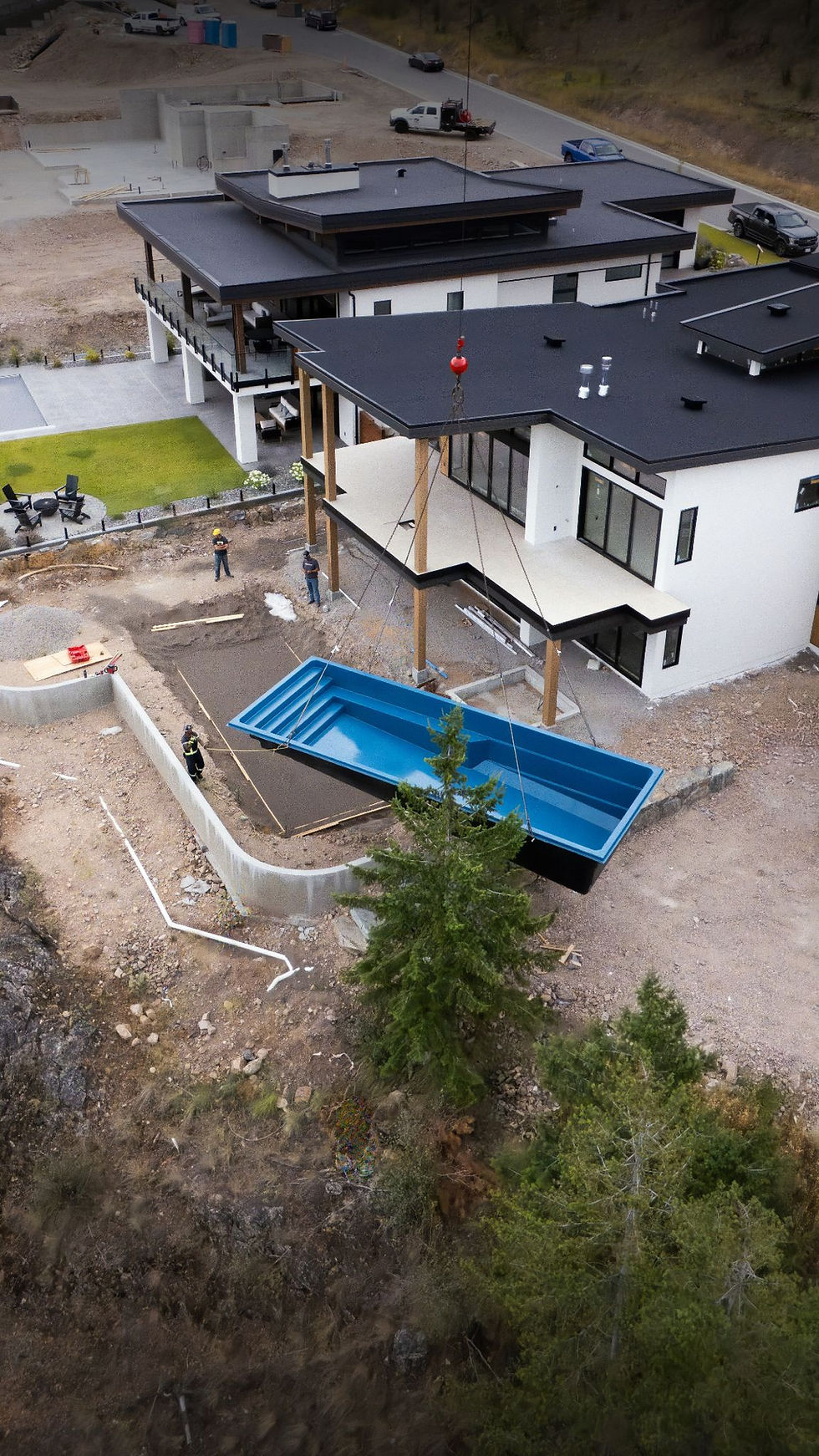
Fiberglass pools: The pre-fabricated shell is delivered and lowered into the hole. This usually takes 1 to 3 days.
Concrete pools: Gunite or shotcrete is sprayed over the steel framework to form the shell. This process takes 3 to 7 days including curing time.
Concrete pools need time to cure properly, often about 1 to 2 weeks, before the next steps can begin. Fiberglass pools skip this curing phase, speeding up the timeline.
Tile, Coping, and Decking Installation
Once the shell is ready, finishing touches start. This phase can take 2 to 4 weeks.
Tile and coping: The pool’s edge and waterline are finished with tiles or stone.
Decking: Surrounding areas are paved or landscaped with concrete, stone, or wood.
Additional features: Waterfalls, lighting, and spa installations happen here.
The choice of materials and complexity of the deck design affect how long this takes. Simple concrete decks install faster than intricate stonework or custom landscaping.
Pool Filling, Equipment Setup, and Testing
After construction and finishing, the pool is filled with water and equipment is tested. This step usually takes a few days.
Water is added and balanced chemically.
Pumps, filters, heaters, and automation systems are tested.
Final inspections ensure everything meets safety and quality standards.
If any issues arise during testing, they may require adjustments or repairs, which can add time.
Common Factors That Affect Pool Construction Time
Several factors can speed up or slow down your pool project:
Weather conditions: Rain, extreme heat, or cold can delay excavation and curing.
Pool type: Fiberglass pools are generally faster to install than concrete pools.
Permitting delays: Slow permit approvals can push back start dates.
Customization level: More features and custom designs require more time.
Contractor availability: Busy contractors may schedule your project weeks or months out.
Site conditions: Rocky soil, slopes, or existing structures can complicate excavation.
Typical Timelines for Different Pool Types
| Pool Type | Average Construction Time |
|--------------|--------------------------------|
| Fiberglass | 2 to 4 weeks |
| Vinyl Liner | 4 to 6 weeks |
| Concrete | 8 to 12 weeks (sometimes longer)|
These timelines include all phases from planning to final testing. Concrete pools take longer due to curing and customization.
Tips to Keep Your Pool Project on Track
Plan ahead: Start design and permitting early to avoid delays.
Choose experienced contractors: Skilled builders work efficiently and handle issues quickly.
Be decisive: Finalize design choices early to prevent hold-ups.
Prepare your site: Clear trees and obstacles before construction begins.
Stay in communication: Regular updates with your builder help catch problems early.
What to Expect After Construction
Once your pool is complete, you’ll need time to get used to maintenance and care. Many builders offer orientation sessions to explain equipment operation and water care. Your pool will be ready for use as soon as water chemistry is balanced and final inspections pass.
Owning a pool is a rewarding experience, but it requires patience during construction. Knowing the typical timelines and factors involved helps you plan better and enjoy your dream pool sooner.