Key Considerations for Choosing Between Fibreglass, Concrete, and Vinyl Pools
Choosing the right pool for your home is a big decision that affects your budget, maintenance, and enjoyment for years to come. Fibreglass, concrete, and vinyl pools each have unique features, costs, and care requirements. Understanding these differences helps you pick the pool that fits your lifestyle and property best.

Fibreglass Pools: Quick Installation and Low Maintenance
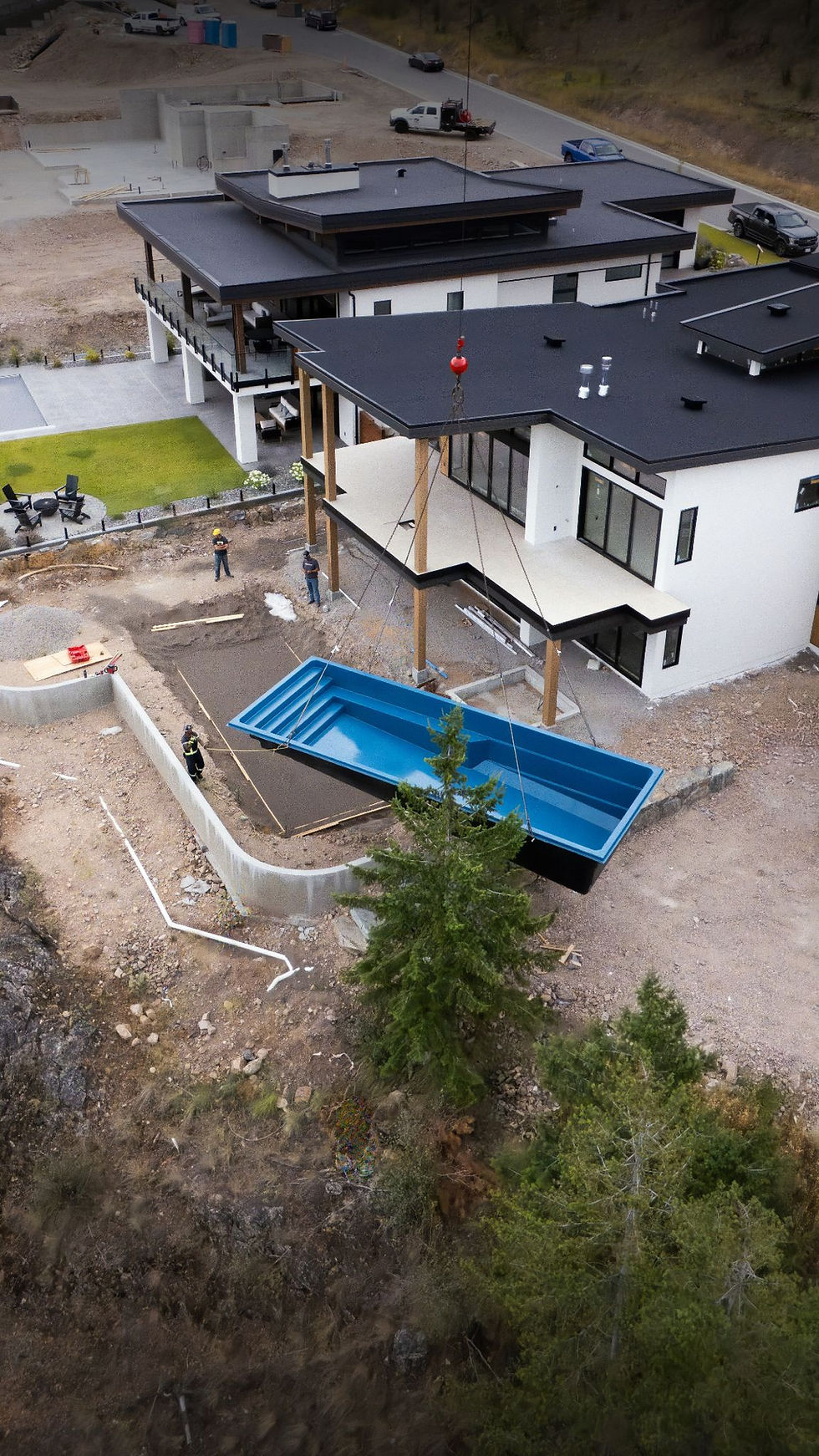
Fibreglass pools come as pre-made shells delivered to your site. They offer a smooth surface and a range of shapes and sizes, but the options are limited compared to other types.
Advantages:
Fast installation: Most fibreglass pools are ready to use within a few weeks.
Low maintenance: The non-porous surface resists algae growth, reducing cleaning and chemical use.
Durability: Fibreglass is flexible and less prone to cracking compared to concrete.
Considerations:
Limited customization: You choose from factory designs rather than custom shapes.
Transport restrictions: Large pools may be difficult to deliver to certain locations.
Surface fading: Over time, the gel coat finish can fade or scratch.
Fibreglass pools suit homeowners who want a quick setup and easy upkeep without needing a custom design.
Concrete Pools: Customizable and Long-Lasting
Concrete pools are built on-site by spraying or pouring concrete over a steel frame. This method allows for complete customization in shape, size, and depth.
Advantages:
Design flexibility: Create any shape or size, including built-in features like benches or waterfalls.
Longevity: Properly maintained concrete pools can last decades.
Strong structure: Concrete withstands ground movement and heavy use.
Considerations:
Longer construction time: Building a concrete pool can take several weeks to months.
Higher maintenance: The porous surface requires regular cleaning and chemical balancing to prevent algae.
Surface roughness: Concrete can feel rough on the skin unless plastered or tiled.
Concrete pools are ideal for those who want a unique pool design and are prepared for ongoing maintenance.
Vinyl Pools: Affordable and Versatile
Vinyl pools use a flexible liner fitted over a frame made of steel, aluminum, or polymer. The liner creates a smooth surface and comes in various patterns and colors.
Advantages:
Lower upfront cost: Vinyl pools generally cost less to install than concrete or fibreglass.
Smooth surface: The liner feels comfortable and resists algae growth.
Custom shapes: More flexible than fibreglass, though less so than concrete.
Considerations:
Liner replacement: Liners typically last 7 to 15 years and require replacement.
Potential for tears: Sharp objects or pets can puncture the liner.
Less durable frame: The supporting structure may be less robust than concrete.
Vinyl pools work well for budget-conscious buyers who want some customization and are okay with periodic liner replacement.
Climate and Soil Conditions Matter
Your local climate and soil type influence pool choice. For example:
Fibreglass pools perform well in most climates but may be vulnerable to ground shifting in areas with expansive clay soils.
Concrete pools handle soil movement better due to their rigid structure.
Vinyl pools can be affected by sharp rocks or roots under the liner, so proper site preparation is essential.
If you live in a region with extreme temperatures or unstable soil, consult a pool professional to assess the best option.
Energy Efficiency and Heating Options
All pool types can be heated, but the material affects heat retention:
Fibreglass pools retain heat well due to their smooth surface.
Concrete pools lose heat faster because of their porous surface.
Vinyl pools fall in between but depend on liner thickness.
Consider solar covers or pool heaters to extend your swimming season and reduce energy costs.
Final Thoughts on Choosing Your Pool
Selecting between fibreglass, concrete, and vinyl pools depends on your budget, design preferences, maintenance willingness, and site conditions. Fibreglass pools offer quick installation and low upkeep. Concrete pools provide endless design possibilities and durability but require more care. Vinyl pools are budget-friendly with moderate customization but need liner replacements.